



Dec 08 / 2025
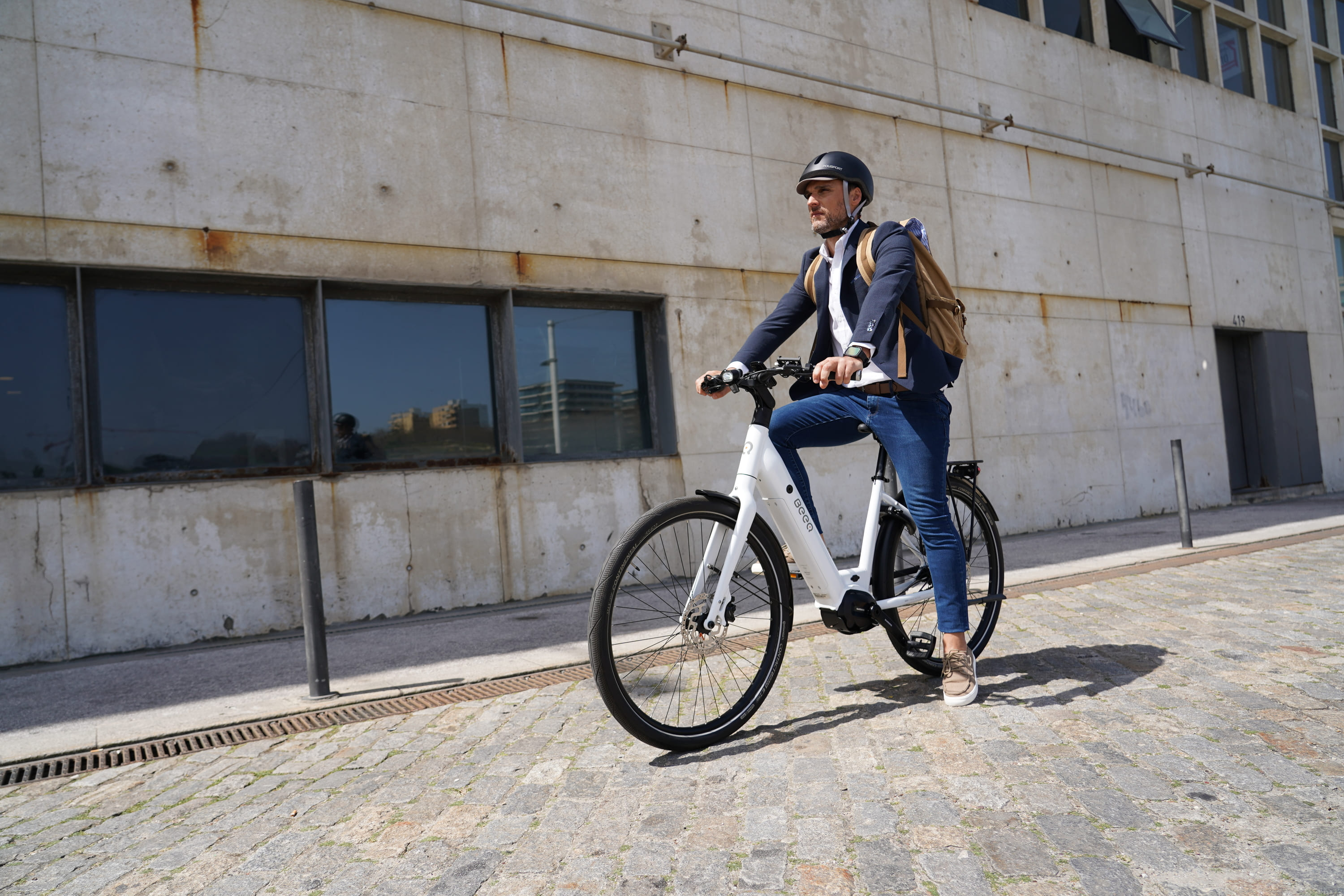
The use of electric bicycles in business is increasingly viewed not just as a trend but as an effective management tool. With their health benefits, efficiency improvements, and cost reductions, e-bikes are becoming more prevalent in corporate mobility programs and the tourism sector.
A recent study by the Finnish Institute of Occupational Health revealed that employees who commute via bicycles—whether electric or traditional—face an 8% to 12% lower risk of taking sick leave, a figure that rises to 18% when considering prolonged absences. This translates to fewer lost days and enhanced productivity.
At the European level, several hundred companies, including the European Parliament, have been certified with the Cycle-Friendly Employer label. These organizations provide dedicated parking, service bicycles, and free maintenance for their employees, turning what was once considered a pilot project into an established policy.
In Portugal, a growing number of companies are implementing programs to encourage the use of electric bicycles. The rationale behind this shift is practical: to reduce traffic congestion, lower parking costs, and ensure that employees arrive at work less stressed. The integration of these programs varies, including options such as:
- Active mobility subsidies for those who can prove regular e-bike use
- Leasing or corporate subscriptions that cover maintenance and insurance
- Shared fleets for short trips to clients or technical visits
Despite the different approaches, a common conclusion among managers is that reducing operational barriers leads to increased adoption of e-bikes.
Another significant advantage of these initiatives is the minimal investment required. Implementing electric bicycles demands relatively low capital: secure parking (preferably monitored), charging stations, lockers for equipment, and small maintenance areas. Mobility consultants indicate that these measures help normalize the use of electric bicycles in professional settings and play a crucial role in encouraging their adoption.
The adoption of e-bikes is especially prominent in the tourism sector. Hotels, rural lodgings, and adventure companies are utilizing fleets of electric bikes to expand their activity offerings. E-bikes facilitate access to areas that once relied solely on motorized transport, making experiences available to a wider audience. Additionally, tourism entrepreneurs report that e-bike use has helped increase the average length of visitors' stays and enhanced local attractiveness, particularly in regions with natural heritage.
Electric bicycles have now moved beyond being a peripheral benefit and are recognized as tools that have a direct impact on organizational performance. In both the business and tourism sectors, the trend is clear: e-bikes are becoming increasingly common and, unlike traditional traffic, are rapidly gaining ground.
