



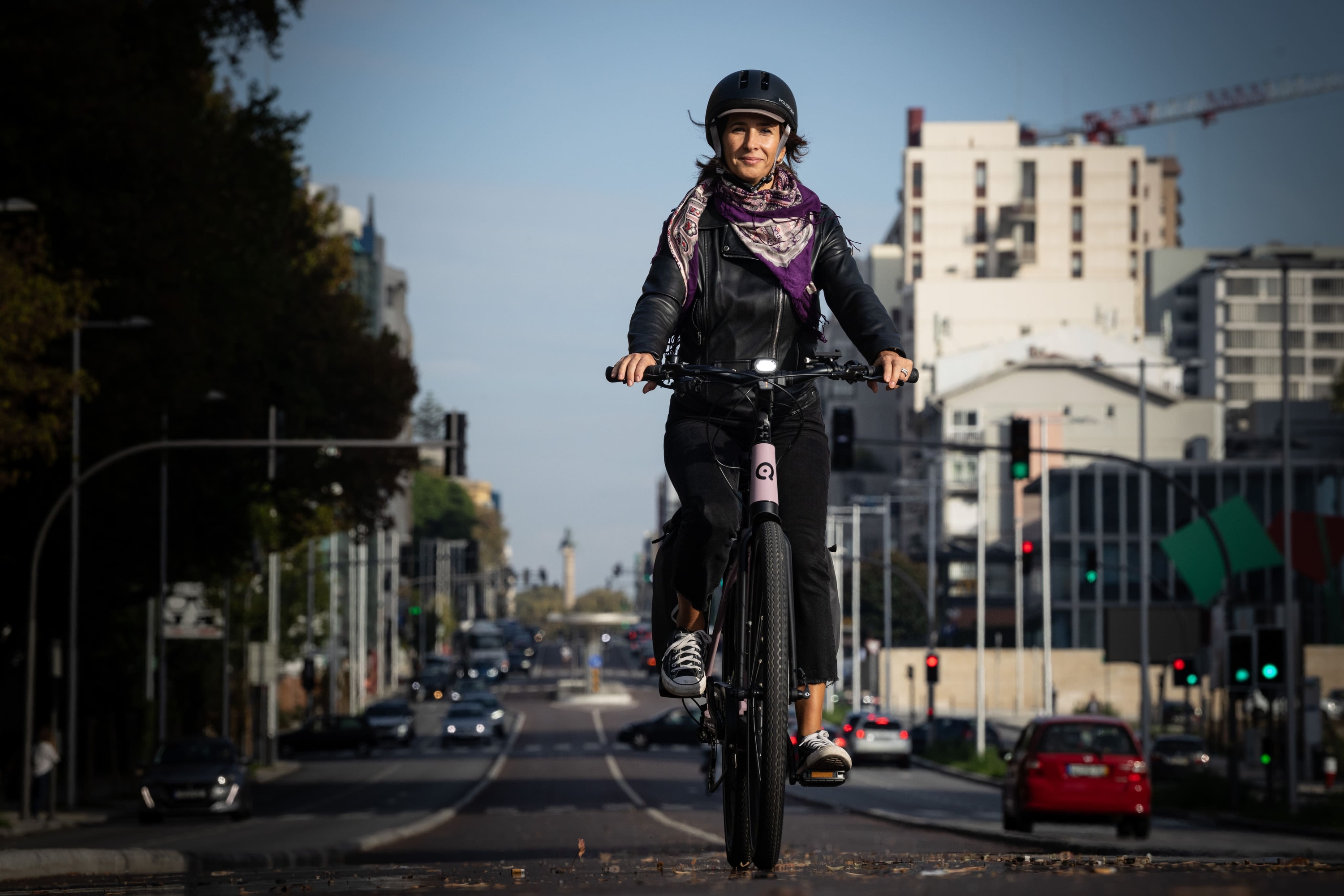
Urban electric bicycles are no longer seen merely as an alternative means of transport and are now taking on a central role in sustainable urban mobility policies. Recent studies indicate that the growing use of e-bikes is contributing to a reduction in pollutant emissions and to the reorganisation of transport systems in European cities.
E-bike transport is growing in European cities
For decades, the car was the almost exclusive protagonist of urban travel. Today, that position is beginning to be shared with a much lighter, quieter and more efficient vehicle: the urban electric bicycle. According to data released by organisations linked to sustainable mobility, e-bikes already replace a significant share of short car journeys, especially for trips under 10 kilometres.
Electric bicycles as a solution to reduce CO₂ emissions
With this new trend, there has been a significant decrease in carbon dioxide emissions associated with daily travel. Each journey made by electric bicycle instead of by car represents a clear reduction in emissions per kilometre travelled.
The impact of electric bicycles on urban traffic
The impact is twofold. There is also an improvement in the flow of urban traffic, with less congestion in residential areas and historic centres. Experts stress that every journey made by electric bicycle instead of by car represents not only less pollution but also less noise — a detail highly valued by city residents.
Infrastructure and integration of e-bikes
Local authorities are supporting this trend through investment in infrastructure, bicycle parking facilities and the integration of urban electric bicycles with public transport. In several European capitals, it is already possible to combine underground, train and electric bicycle within the same daily journey, making public transport more flexible.
Accessibility: e-bikes for all groups
Another factor identified as decisive is accessibility. By reducing the physical effort required to pedal, electric bicycles broaden the range of users:
-
Older people are able to maintain active mobility for longer.
-
Citizens with certain types of physical limitation regain independence in their journeys.
-
Workers who need to reach their destination without excessive effort, but more practically and economically.
Active mobility, therefore, ceases to be a privilege of those in good physical condition.
Challenges and the future of electric mobility
Despite the progress made, challenges remain, particularly in adapting traffic regulations and ensuring coexistence between bicycles, e-scooters and motor vehicles.
Even so, urban policy-makers argue that e-bikes are now an essential element in the transition to less polluting and more efficient cities.
A collective strategy for sustainable cities
In a context where carbon neutrality and urban quality of life are under discussion, the electric bicycle is no longer just an individual choice and becomes part of a collective strategy. Without great speeches, it is gradually taking its place in the urban landscape and, by all indications, it is here to stay.
